jingzhang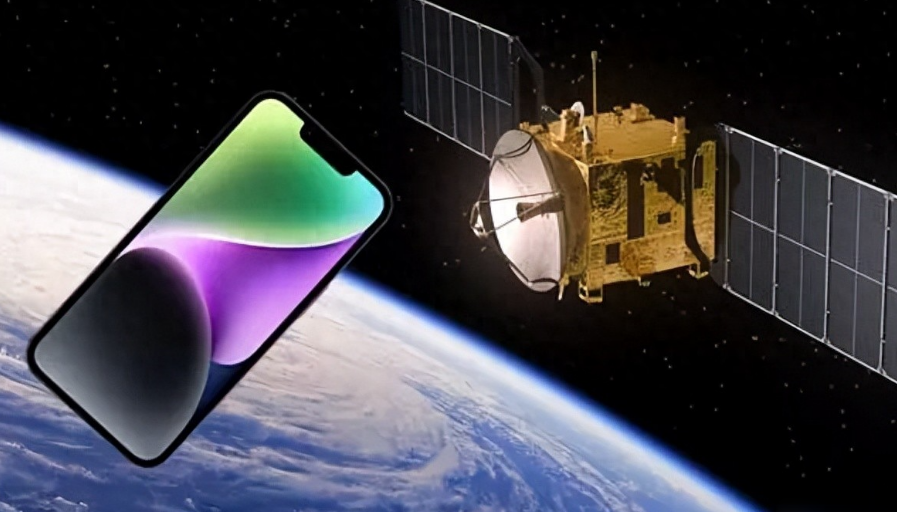
Inside Apple, there has long been debate over whether the company should develop its own satellite service. In the early stages of the project, some executives argued, “Apple is not a telecom carrier, nor should it act like one.” Today, as traditional telecom giants accelerate their push into the satellite space, that viewpoint is gaining even more traction.
Yet according to analyst Mark Gurman, Apple still has strong reasons to continue developing satellite functionality in-house.
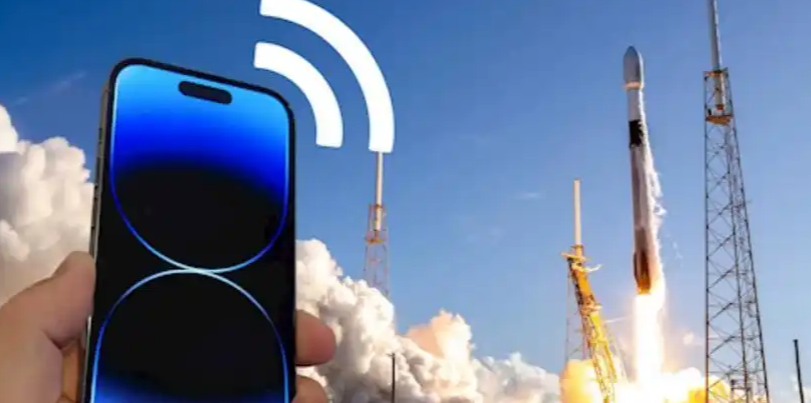
Gurman believes satellite communications could become a mainstream technology for mobile connectivity in the future. By moving early, Apple could lead this transition instead of relying on carriers. Currently, Apple’s satellite agreements are primarily tied to the Globalstar network, which limits compatibility with other systems. This dependency makes it difficult to switch providers. Moreover, Apple sells products in nearly every global market, yet many international carriers are lagging behind in satellite services. Direct involvement from Apple could help bridge that gap.
At present, Apple’s strategy is to offer core satellite features as a free service. This approach is designed to drive iPhone sales, encourage upgrades, and strengthen ecosystem loyalty. For more advanced functionalities, Apple plans to let users pay directly to carriers, SpaceX, or other satellite service providers.
However, the competitive landscape is shifting rapidly, and major industry changes may force Apple to rethink its approach. Globalstar, for instance, is under financial pressure and considering a sale—with Elon Musk’s SpaceX seen as a potential buyer. If such a deal goes through, it would make sense for Apple to pivot toward partnering with SpaceX.
Previously, insiders revealed that in anticipation of a possible collaboration with Apple, SpaceX has designed its next-generation satellites to support the wireless spectrum currently used by iPhones. This allows those satellites to provide direct satellite connectivity to existing Apple devices.
Apple may eventually collaborate with SpaceX to offer premium, paid satellite service packages. For example, SpaceX is actively developing features that would enable satellite-based voice calls, video chats, and web browsing—all of which could be integrated into future Apple offerings.