jingzhang
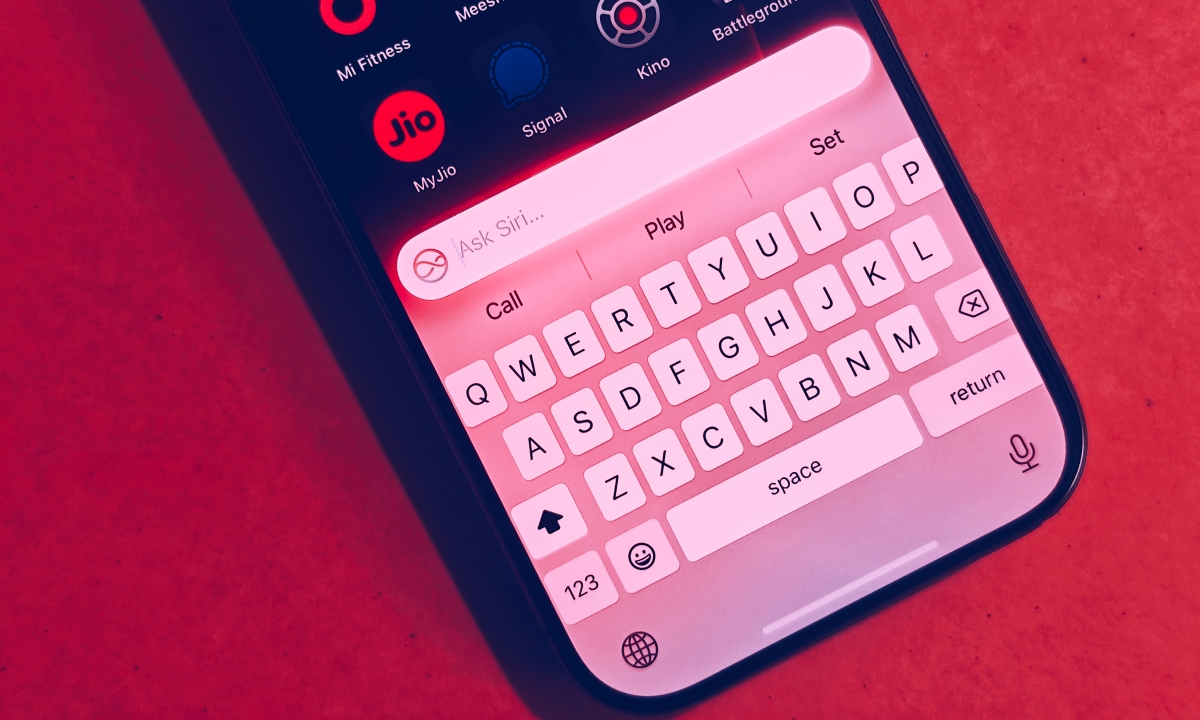
Cupertino, CA — Following months of criticism over Siri’s stagnation, Apple is gearing up for a significant AI resurgence, according to a report from Bloomberg’s Mark Gurman (late Wednesday). CEO Tim Cook teased “an amazing” product pipeline, hinting at breakthroughs that could redefine the company’s AI presence and restore consumer confidence.
Key Developments in the Pipeline
The most anticipated addition: a long-rumored smart speaker with a display, slated for release next year. Alongside this, insiders reveal plans for a tabletop robot capable of rotating to engage users in conversation — a potential game-changer for interactive home devices. While unconfirmed, these projects aim to address past shortcomings and position Apple as an AI innovator.
Siri’s Transformation
At the heart of the overhaul is a next-generation Siri, engineered to participate in multi-person conversations with contextual awareness. Gurman describes its hallmark feature: the ability to “inject itself into discussions,” offering timely suggestions (e.g., restaurant recommendations during dinner planning) and mimicking the conversational fluidity of OpenAI’s voice assistant.
Additional enhancements include “Bubbles” — a project to give Siri a visual avatar reminiscent of Microsoft’s Clippy — and deeper integration across Apple’s ecosystem. A revitalized Siri is expected to boost functionality across HomeKit, iPhones, and other devices, addressing long-standing gaps in smart home competitiveness versus Amazon Alexa and Google Home.
Strategic Significance
These hardware initiatives are central to Apple’s AI revival strategy, aiming to rebuild trust after a challenging year. The tabletop robot, in particular, could pioneer new use cases like group FaceTime calls and dynamic home interactions, though its final design and features remain under wraps.
Caution & Expectations
Industry watchers advise caution: As with all unreleased products, designs and functionalities are subject to change. Yet, if executed successfully, this pipeline could elevate Apple’s HomeKit ecosystem to rival dominant smart home platforms and reestablish Siri as a leading voice assistant.
Cook’s “amazing” pipeline suggests Apple is betting big on hardware-driven AI innovation — a move that could reshape its role in the future of ambient computing. Stay tuned for updates as these projects evolve.
Separate market sentiment from product execution
Price movement and social attention can react instantly, while technology deployment takes longer. A useful analysis asks what operational milestone would prove that the story has changed real behavior.
That milestone might be production use, a measurable cost change, a regulatory approval or sustained customer demand rather than one day of market volatility.
Identify the assumptions behind the forecast
Every long-term scenario depends on assumptions about adoption, competition, capacity and policy. Making those assumptions explicit helps readers understand what evidence would cause the outlook to improve or weaken.
How to interpret the development beyond the headline
Fast-moving technology and crypto stories should separate confirmed facts from forecasts, market reaction and interpretation. Product launch, adoption, liquidity, regulation and execution can all determine whether an early headline becomes a durable shift.
The useful follow-up is concrete evidence: shipped capability, user growth, audited transactions, financial guidance or regulatory decisions that confirm or weaken the initial narrative.
Watch second-order effects
Major developments can change incentives for developers, creators, exchanges, infrastructure providers and users. The practical impact may appear through costs, standards, distribution or policy rather than through the headline event itself.
Keeping long-term scenarios conditional makes later updates easier to interpret without rewriting early speculation as fact.
Practical implementation check
Before adopting the mechanism described above, define the exact business rule, who controls it and what evidence will show that it worked. Test the failure path as carefully as the successful path, especially when rights, payments or wallet actions are involved.
The final system should also document versioning, rollback and the assumptions that may become stale over time. That turns a one-off experiment into an operating model that creators, users and developers can understand.


 admin