jingzhang

November 12, 2025 (Local Time) — Austin, TX / New York, NY
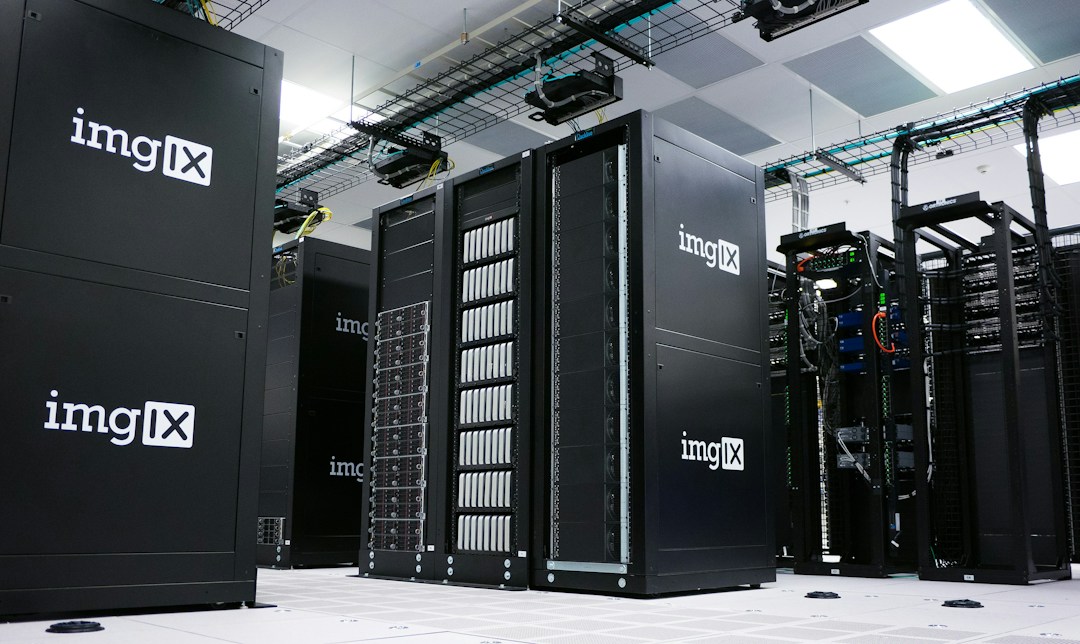
AI safety and research company Anthropic announced on Wednesday plans to invest $50 billion to develop a next-generation AI infrastructure network across the United States, with the first phase set to include the construction of custom-built data centers in Texas and New York.
The initiative is designed to support the rapid growth of Anthropic’s enterprise business and long-term AI research efforts. The data centers will be developed in partnership with Fluidstack, a leading AI cloud platform that provides large-scale GPU cluster services to major clients including Meta, Midjourney, and Mistral.
Construction is expected to begin soon, with the first sites slated to become operational by 2026. The project is projected to create 800 permanent jobs and over 2,000 construction positions.
The move comes amid growing concern among U.S. policymakers about domestic computational capacity and technological sovereignty, positioning Anthropic as a major domestic player in the physical AI infrastructure space.
“We are getting closer to AI systems that can accelerate scientific discovery and solve complex problems in ways never before possible,” said Dario Amodei, CEO of Anthropic. “Unlocking that potential requires infrastructure capable of sustaining cutting-edge development. These data centers will enable us to build more powerful AI systems, drive breakthroughs, and create jobs across the United States.”
The announcement follows intensified infrastructure investments by competitors, particularly OpenAI, which has secured over $1.4 trillion in long-term infrastructure commitments through partnerships with Nvidia, Broadcom, Oracle, Microsoft, Google, and Amazon.
To meet its ambitious goals, Anthropic has chosen to collaborate with Fluidstack to build customized, AI-optimized facilities capable of delivering gigawatt-scale power support within short timelines—a key factor in the partnership, according to the company.
Additionally, Amazon has already opened a dedicated 1,200-acre data center campus for Anthropic in Indiana, backed by an $11 billion investment, which is now fully operational—while many competitors remain in the planning phase. Anthropic has also expanded its partnership with Google Cloud by hundreds of billions of dollars in computing services.
The investment also arrives at a time of heightened scrutiny over the role of the U.S. federal government in financing AI infrastructure.
Recent reports indicate that OpenAI lobbied the Trump administration last week to expand the CHIPS and Science Act’s tax credit program to include AI data centers and grid components such as transformers.
The request followed backlash over a proposal by OpenAI CFO Sarah Friar for the government to provide a “guarantee” for the company’s compute agreements—a suggestion that was later walked back in favor of the tax credit push.
While OpenAI has since retracted its call for direct federal guarantees, the episode underscores the political and financial uncertainties surrounding how AI infrastructure will be funded—and by whom—in the years to come.
How to interpret the development beyond the headline
Fast-moving technology and crypto stories should separate confirmed facts from forecasts, market reaction and interpretation. Product launch, adoption, liquidity, regulation and execution can all determine whether an early headline becomes a durable shift.
The useful follow-up is concrete evidence: shipped capability, user growth, audited transactions, financial guidance or regulatory decisions that confirm or weaken the initial narrative.
Watch second-order effects
Major developments can change incentives for developers, creators, exchanges, infrastructure providers and users. The practical impact may appear through costs, standards, distribution or policy rather than through the headline event itself.
Keeping long-term scenarios conditional makes later updates easier to interpret without rewriting early speculation as fact.
Separate market sentiment from product execution
Price movement and social attention can react instantly, while technology deployment takes longer. A useful analysis asks what operational milestone would prove that the story has changed real behavior.
That milestone might be production use, a measurable cost change, a regulatory approval or sustained customer demand rather than one day of market volatility.
Identify the assumptions behind the forecast
Every long-term scenario depends on assumptions about adoption, competition, capacity and policy. Making those assumptions explicit helps readers understand what evidence would cause the outlook to improve or weaken.
Practical implementation check
Before adopting the mechanism described above, define the exact business rule, who controls it and what evidence will show that it worked. Test the failure path as carefully as the successful path, especially when rights, payments or wallet actions are involved.
The final system should also document versioning, rollback and the assumptions that may become stale over time. That turns a one-off experiment into an operating model that creators, users and developers can understand.


 admin