admin

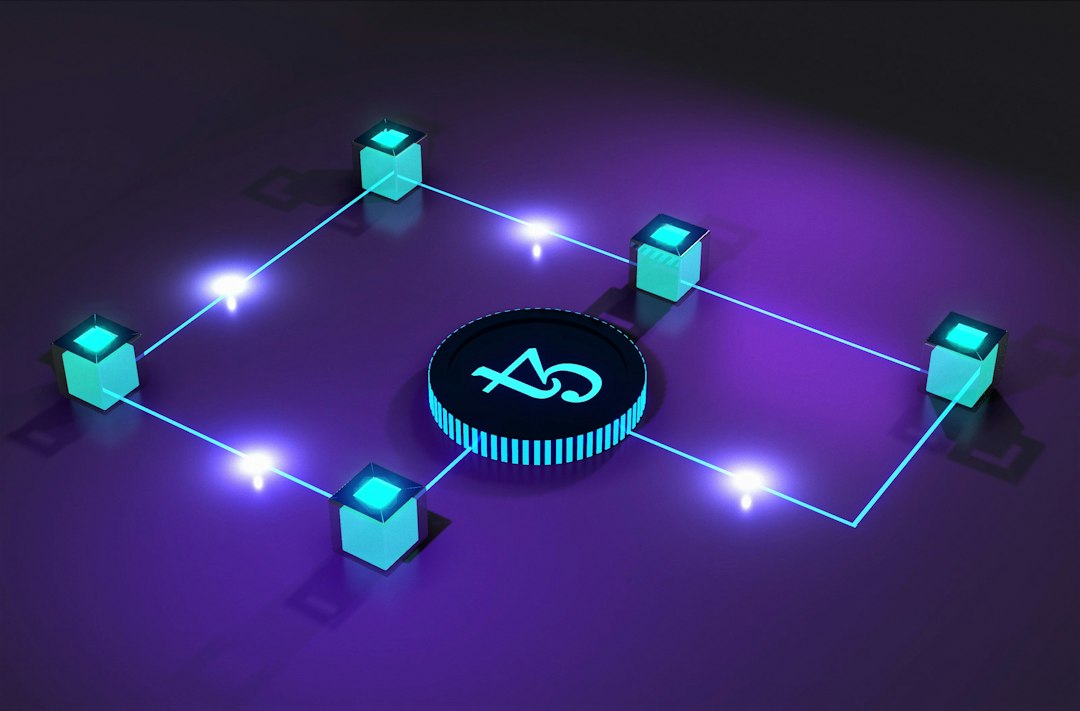
An AI creator marketplace might place a character collection, service credits or provenance receipts in a token-bound account. ERC-6551 makes this pattern technically possible by associating an account with a non-fungible token. The attractive story is that an AI persona can own a bundle of related assets. The dangerous shortcut is claiming that holding the token also grants the right to reproduce someone’s face, voice or performances. Token control and legal consent are different systems. This article proposes an implementation and security review for platform teams that need both composable Web3 ownership and creator protections. It is a design analysis, not a claim that a particular marketplace has adopted the pattern.
Read the account model precisely
ERC-6551 defines a registry and interfaces for accounts bound to NFTs. The proposal was created in February 2023 and is published in the Ethereum Improvement Proposals repository. Its registry can derive an account address based on chain identifier, token contract, token identifier, implementation and salt. A token owner may exercise the authority defined by the account implementation. ERC-721, created in January 2018, provides the underlying non-fungible ownership and transfer interface; it does not encode an entire media rights contract. That distinction matters before a platform maps a token transfer into access to private training material. The relevant primary standard is ERC-6551 specification (created 2023-02-23).
Build a table for each account with token owner, account implementation, included asset types, permitted signers and explicit disallowed operations. Do not infer a biometric or publicity-rights license from the ownerOf function. The registry is an address mechanism, not a rights clearinghouse.
Model ownership changes as a security event
Suppose a creator sells a limited NFT representing access to an authorized collection of short clips. The token changes owners, and control of the corresponding token-bound account may change under its rules. The buyer should receive the rights that the license actually promises, not an unbounded right to produce new synthetic voice recordings. Identify separate flags for viewing, downloading, commercial reposting, training, derivative generation and withdrawal. A transfer event can trigger a policy review rather than automatically granting every downstream permission. The relevant primary standard is ERC-721 standard (created 2018-01-24).
Use a mock sale to test pre-transfer access, transfer settlement, stale-session revocation and new-owner permissions. Confirm that a previously authorized session cannot keep exporting protected content simply because it cached an API token before the sale.
Defend against disappearing assets
The ERC-6551 proposal itself discusses a fraud scenario in which a seller withdraws valuable assets from a token-bound account immediately before completing a sale. The marketplace therefore needs an asset-state commitment or escrow rule linked to order acceptance. A screenshot of balances is not enough. Record the expected token identifiers, quantities and account state at the order boundary. Recheck them at settlement and reject the order when the committed state has changed. A trade may also need explicit treatment of pending transfers and chain reorganizations. The relevant primary standard is ERC-6551 specification (created 2023-02-23).
A useful acceptance test places a hypothetical asset in the account, advertises the NFT, removes the asset, and attempts the purchase. The engine should fail closed and explain the mismatch to both sides. A marketplace that only validates a signature will miss this withdrawal risk.
Prevent ownership cycles and unsafe execution
Token-bound accounts can own other assets and may support low-level execution. The standard warns that ownership cycles can strand assets, including a token sent into its own bound account. An AI agent that autonomously rearranges holdings must not be able to create an irrecoverable ownership graph during a routine workflow. The service should also limit calls to trusted targets, spending amounts and allowed operations, with human approval for destructive or high-value actions. ERC-165 support checks describe interface compatibility, not safety. The relevant primary standard is ERC-721 standard (created 2018-01-24).
Simulate direct and nested custody loops using test tokens. Add bounded graph checks before transfers, a dry-run execution path, and a pause procedure. Where a graph is too deep to inspect confidently, treat the request as a manual exception rather than guessing that the operation is reversible.
Preserve creator consent beyond the token
Creator identity, voice and image licenses belong in a separate permission ledger that records a signer, material scope, territorial availability, duration, revocation process and permitted uses. A token can point to evidence of those permissions but cannot replace the agreement itself. Revoking an individual license may disable a synthesis feature while leaving a historical receipt intact. The policy engine must distinguish a continuing right to access a previously purchased work from a right to generate unlimited new work in that person’s likeness. The relevant primary standard is ERC-6551 specification (created 2023-02-23).
Review a concrete case: a voice performer withdraws permission for future generation while a fan still owns a collectible. Test the product copy, model invocation gate and buyer notification independently. Do not destroy the ownership record; do stop disallowed new voice creation.
Publish a practical audit checklist
Before release, ask an independent reviewer to execute a sale, a credential rotation, an unauthorized call attempt, a seller-side withdrawal, a revocation and a recovery simulation. Every test should produce an order identifier, policy version, expected result and signed verdict. Reports should distinguish what the Ethereum standards guarantee from what the application implements. Neither ERC-6551 nor ERC-721 gives a buyer assurance about consent, asset valuation or recoverability without additional product controls. The relevant primary standard is ERC-721 standard (created 2018-01-24).
The release gate is a verified account implementation, least-privilege execution, order-state commitments, creator-rights controls, successful withdrawal tests and a clear user-facing explanation of what token ownership does not include. This prevents Web3 composability from becoming a misleading license claim.
Sources
ERC-6551 specification (created 2023-02-23) (official technical source, checked 2026-11-05); ERC-721 standard (created 2018-01-24) (official technical source, checked 2026-11-05).