jingzhang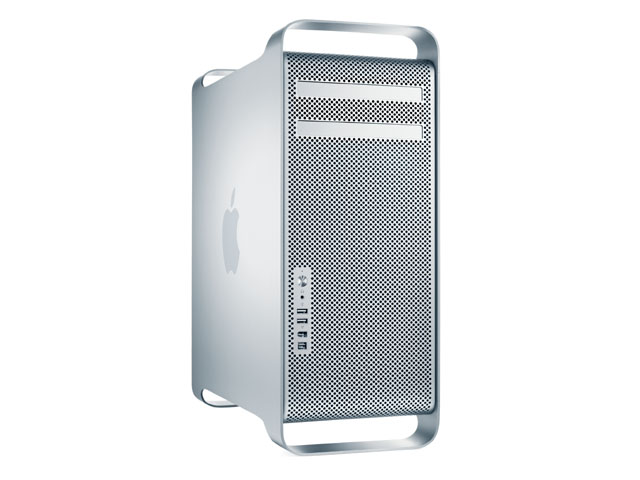
According to the latest report by Mark Gurman from Bloomberg, Apple has essentially abandoned this product line. The planned M4 Ultra chip, originally intended for it, has been canceled, and the development of the new Mac Pro has been put on hold. Internally at Apple, it is even regarded as a “low-priority” project.
The once-iconic tower workstation, symbolizing ultimate professional capabilities, is quietly fading from Apple’s core focus. However, this is not a dramatic turn of events but rather the result of long-term deliberation. Since its form update in 2019, the Mac Pro has struggled to find a new position in the Apple Silicon era and is visibly being replaced by the smaller, more integrated Mac Studio product line.
But what truly matters is not Apple’s attitude towards the Mac Pro itself but rather the larger industry trend it reveals: traditional “workstations” are being redefined.
Especially when a System-on-Chip (SoC) becomes powerful and versatile enough, the rationale for traditional tower PCs begins to weaken. In March this year, Apple released the latest Mac Studio equipped with M4 Max and M3 Ultra chips, which can even run large models with over 600 billion parameters locally (the maximum parameter count of DeepSeek R1 is 671 billion).
Meanwhile, the most radical change in the Windows PC industry this year also comes from highly integrated SoCs. AMD’s Ryzen AI Max+ 395, unveiled at CES 2025 earlier this year, is a prime example: featuring a 16-core Zen5 CPU, an RDNA3+ GPU capable of competing with mid-range discrete graphics cards, and a 50 TOPS NPU capable of running local small models, all integrated into a single chip.
In fact, this was also a key aspect of NVIDIA’s original plan for PC chips. However, in September this year, NVIDIA “chose” to give Intel a helping hand. In addition to Intel customizing x86 processors for NVIDIA in the data center sector, Intel will also introduce x86 SoCs integrating NVIDIA RTX GPU chiplets (Chiplet) for the consumer computing market.
All these developments are destined to reshape the PC landscape and our perceptions of it.