jingzhang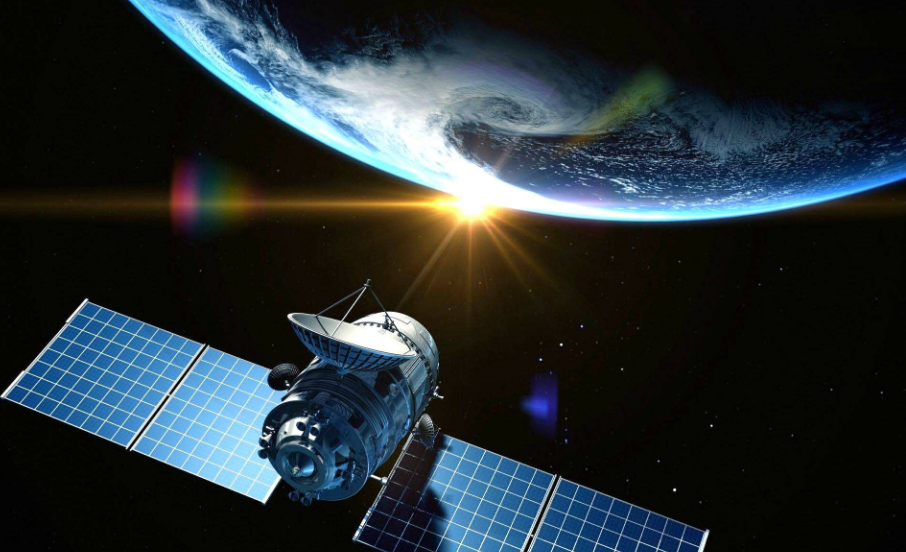
SpaceX’s Starlink Satellites & the Rise of Space-Based ComputingElon Musk’s Bold VisionRecently, Elon Musk revealed on X that SpaceX will scale up Starlink V3 satellites (equipped with high-speed laser links) and build space-based data centers to meet booming AI-era computing demands. This follows similar ambitions from tech giants: Amazon’s Jeff Bezos aims for gigawatt-level orbiting data centers within 10–20 years, and former Google CEO Eric Schmidt (now at Relativity Space) is exploring the concept.Why Space? The Edge Over EarthTraditional data centers face energy shortages and land limits, while global AI data center power needs could hit 347 GW by 2030. Space offers unique perks:
- Energy: Solar panels in orbit generate 5× more power per area than on Earth, enabling self-sufficiency.
- Cooling: The vacuum (especially on Earth’s dark side, -270°C) provides 3× better radiative cooling without water.
How It Works: From “Ground Processing” to “Space Processing”Old models sent raw satellite data to Earth for analysis (slow, bandwidth-limited). New “in-orbit processing” cleans/analyzes data in space, beaming only key insights back. Examples:
- Starcloud (with NVIDIA H100 chips) will process TBs of space data daily (e.g., SAR imaging).
Advantages Over Earth-Based CentersA 40 MW data cluster over 10 years:
- Traditional: ~167M(mostlyenergy/cooling:140M + $7M).
- Space-based: Just ~8.2M(maincost:5M launch + $2M solar arrays; sunlight is free after that).
Challenges to SolveDespite potential, hurdles remain:
- Radiation: Cosmic rays can damage chips (solutions: military-grade hardware or lunar lava-tube shelters).
- Cooling: High-power GPUs need radiators (adding weight/launch costs).
- Energy: Eclipse periods require big batteries (Starcloud’s 5km×4km solar array needs breakthroughs).
- Communication: Latency/interference persist; autonomous software is critical.
- Cost/Scalability: Gigawatt projects need huge constellations; LEO congestion could limit deployment.
Who’s In the Game?
- Startups: Starcloud (first AI satellite with H100, 2025 launch), Axiom Space, Lonestar.
- Tech Giants: NVIDIA (partnering with Starcloud), Amazon (Kuiper satellites), Microsoft (Azure Space), Meta (Space Llama), SpaceX (Starlink backbone).
Space-based computing is moving from sci-fi to reality—though technical and economic challenges must be overcome.